The Four Functions of Metalworking Fluids
Metalworking fluids (MWF) are indispensable in modern CNC machining. They fulfil four central tasks simultaneously:
- Cooling: Dissipation of process heat from the cutting zone (up to 800°C)
- Lubrication: Reduction of friction between tool and workpiece
- Chip evacuation: Flushing chips from the machining zone
- Corrosion protection: Temporary protection of machined surfaces
The right MWF strategy can make the difference between an economical process and a costly problem.
Types of Metalworking Fluids
Water-Miscible MWF (Emulsions and Solutions)
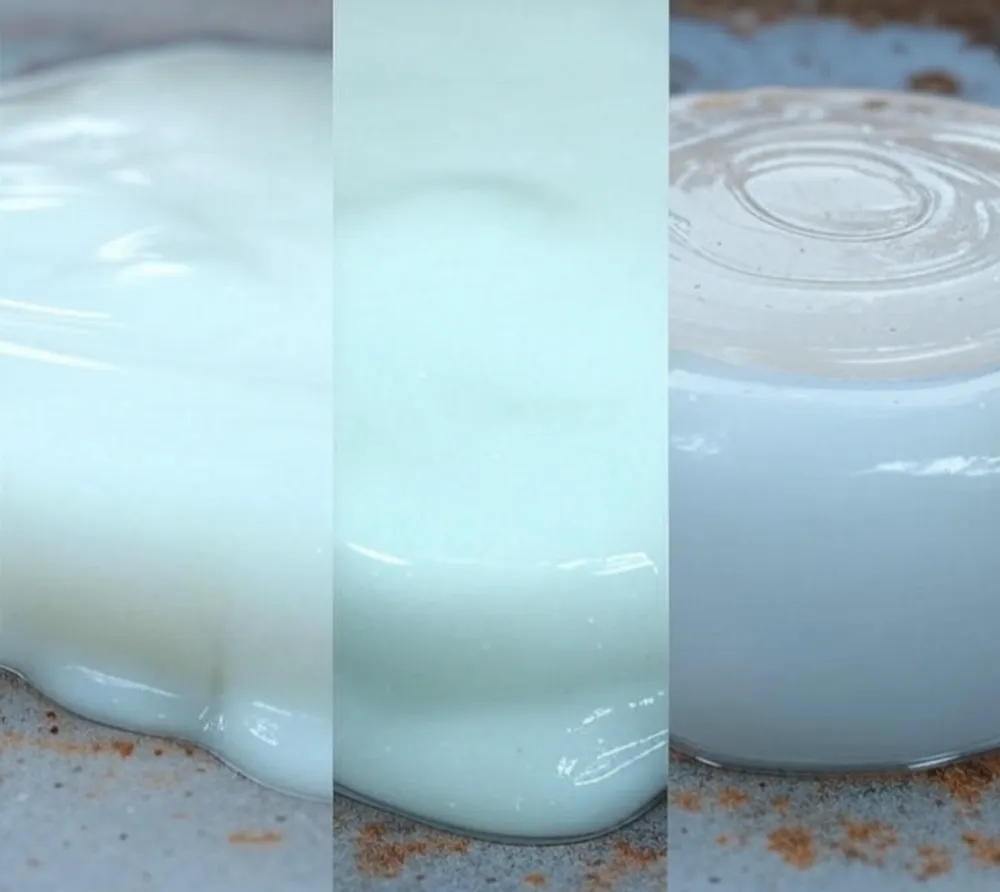
Emulsions consist of 3-10% concentrate in water and are the most commonly used MWF type. They offer a good balance of cooling effect and lubrication and are universally applicable.
Neat Oils (Cutting Oils)
Cutting oils provide the best lubrication of all MWF types. They are used for particularly demanding operations such as thread cutting, broaching or machining difficult-to-cut materials. Disadvantage: lower cooling effect than emulsions.
Minimum Quantity Lubrication (MQL)
With MQL, only a few millilitres of oil per hour are sprayed as a fine aerosol mist directly at the cutting edge. Advantages: significantly reduced MWF consumption, clean chips, better working environment. MQL is particularly gaining ground in aluminium machining.
Impact on Machining Quality
Surface Roughness
The right MWF choice can improve surface roughness by 30-50%. Particularly in finishing operations, adequate lubrication is crucial to avoid chatter marks.
Tool Life
Effective cooling extends tool life by up to 40%. The main mechanism: reduction of thermal wear (diffusion and oxidation) at the cutting edge.
Process Reliability
A stable MWF process ensures reproducible results. Fluctuating MWF concentration is a common but often overlooked cause of quality problems.
MWF Strategy by Material
- Aluminium: Emulsion or MQL, high pressure for chip evacuation important
- Steel: Standard emulsion 5-8%, through-tool coolant for deep hole drilling
- Stainless steel: High MWF concentration (8-10%), high-pressure through-tool coolant recommended
- Titanium: Maximum cooling essential, high pressure up to 70 bar
Modern Trends in MWF Technology
High-Pressure Through-Tool Coolant
Modern CNC machines offer MWF pressure of 40-70 bar directly through the tool. This drastically improves chip breaking and enables higher cutting parameters.
Cryogenic Cooling
Liquid nitrogen (LN2) or CO2 cooling achieves temperatures below -190°C directly at the cutting edge. Still in the experimental stage but promising for titanium and nickel alloys.
Frequently Asked Questions (FAQ)
How often must emulsion be changed?
With proper maintenance (regular concentration measurement, pH monitoring, skimmer operation), an emulsion lasts 6-12 months. Signs for replacement: bad odour, dropping pH value or skin irritation.
Is dry machining an alternative?
For certain materials and operations, yes, particularly for cast iron and short-chipping aluminium. Prerequisites: suitable tool coatings and adequate chip extraction.
Conclusion: MWF as a Productivity Factor
Metalworking fluid is an often underestimated factor in machining quality. The right choice and maintenance of MWF can significantly improve tool life, surfaces and process reliability.
Questions about optimal MWF strategy? Contact us, we are happy to advise you.